
Cultural reflections the role of casinos in modern society
The Evolution of Casinos
Casinos have transformed significantly from their origins as simple gaming houses to complex entertainment hubs. This evolution reflects broader cultural changes, where gambling has shifted from being a fringe activity to a mainstream form of entertainment. With the rise of technology, traditional brick-and-mortar casinos have embraced online platforms, making gambling accessible to a wider audience. For instance, the thrilling world of Ice Fishing can be explored at https://icefishing-game.co.za/, offering exciting opportunities for players across various platforms.
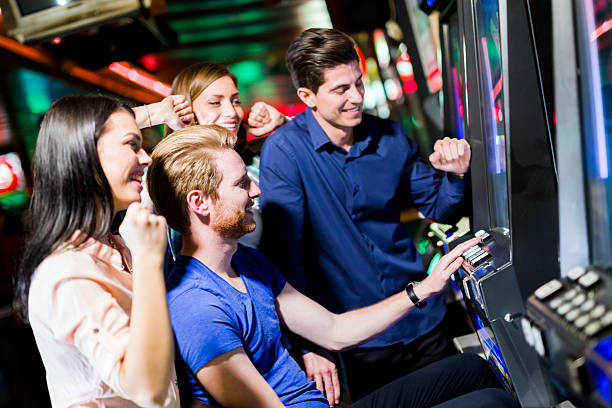
The integration of live dealer games and immersive virtual reality experiences has further enriched the casino landscape. These advancements not only cater to a tech-savvy generation but also enhance the overall gaming experience, making it more engaging and interactive. This shift indicates how deeply entrenched casinos have become in our society, adapting to meet the demands of modern consumers.
Casinos as Social Hubs
In contemporary society, casinos serve as important social spaces where people gather to socialize and enjoy entertainment. This role extends beyond mere gambling; casinos often host events, concerts, and dining experiences, attracting diverse crowds. Such interactions can lead to a sense of community, breaking down barriers among individuals from different backgrounds.
Moreover, casinos often become focal points for local economies, generating jobs and supporting nearby businesses. This economic impact contributes to the perception of casinos as beneficial entities within society, especially in regions where tourism plays a crucial role. As social hubs, they offer a blend of excitement and community engagement that can enhance the local culture.
The Stigma of Gambling
Despite their popularity, casinos are often associated with a certain stigma, particularly concerning gambling addiction. This duality poses challenges, as societal perceptions can influence legislation and regulation surrounding casinos. Public awareness campaigns have emerged to address these concerns, promoting responsible gambling practices and resources for those affected by addiction.
Addressing the stigma requires a cultural shift that acknowledges both the entertainment value of casinos and the potential risks associated with gambling. As education about responsible gaming becomes more prevalent, societies can better balance the excitement of casinos with the need for awareness and protection against harmful behaviors.
The Influence of Culture on Casino Design
Casino design often reflects the cultural context in which they exist. From architecture to decor, casinos can embody local traditions and aesthetics, creating unique experiences for visitors. For instance, a casino in Las Vegas may feature lavish themes and opulence, while one in a historic European city may emphasize elegance and classic design.
This cultural reflection not only enhances the appeal of casinos but also reinforces their role as a representation of local identity. By incorporating elements of local culture, casinos can attract both tourists and locals, fostering a deeper connection with their environment. Such design choices highlight the importance of cultural identity in shaping the modern casino experience.

Conclusion: Understanding the Modern Casino Experience
The contemporary casino landscape is a rich tapestry woven from cultural, social, and economic threads. As entertainment venues, they reflect societal changes while also influencing local economies and communities. Understanding the role of casinos in modern society requires a multifaceted approach that considers both their benefits and challenges.
Ultimately, the continued evolution of casinos will depend on how they navigate cultural sensitivities, societal perceptions, and technological advancements. As a dynamic aspect of modern life, casinos will likely remain a focal point for entertainment and social interaction for years to come.